Top 5 Mistakes Homeowners Make Preparing Decks for Winter in Saskatchewan

Every fall, as the temperatures dip and the snow clouds gather over Saskatchewan, we see the same pattern: homeowners race to prep their decks for winter, but critical details are missed. At The Ultimate Deck Shop, after working with thousands of deck owners across Regina, Saskatoon, and beyond, we’ve seen firsthand the preventable frustrations and springtime damage that come from those missed steps. Let’s break down the top 5 mistakes made when preparing decks for winter in Saskatchewan, and more importantly, how to avoid them for a safer, longer-lasting outdoor space.
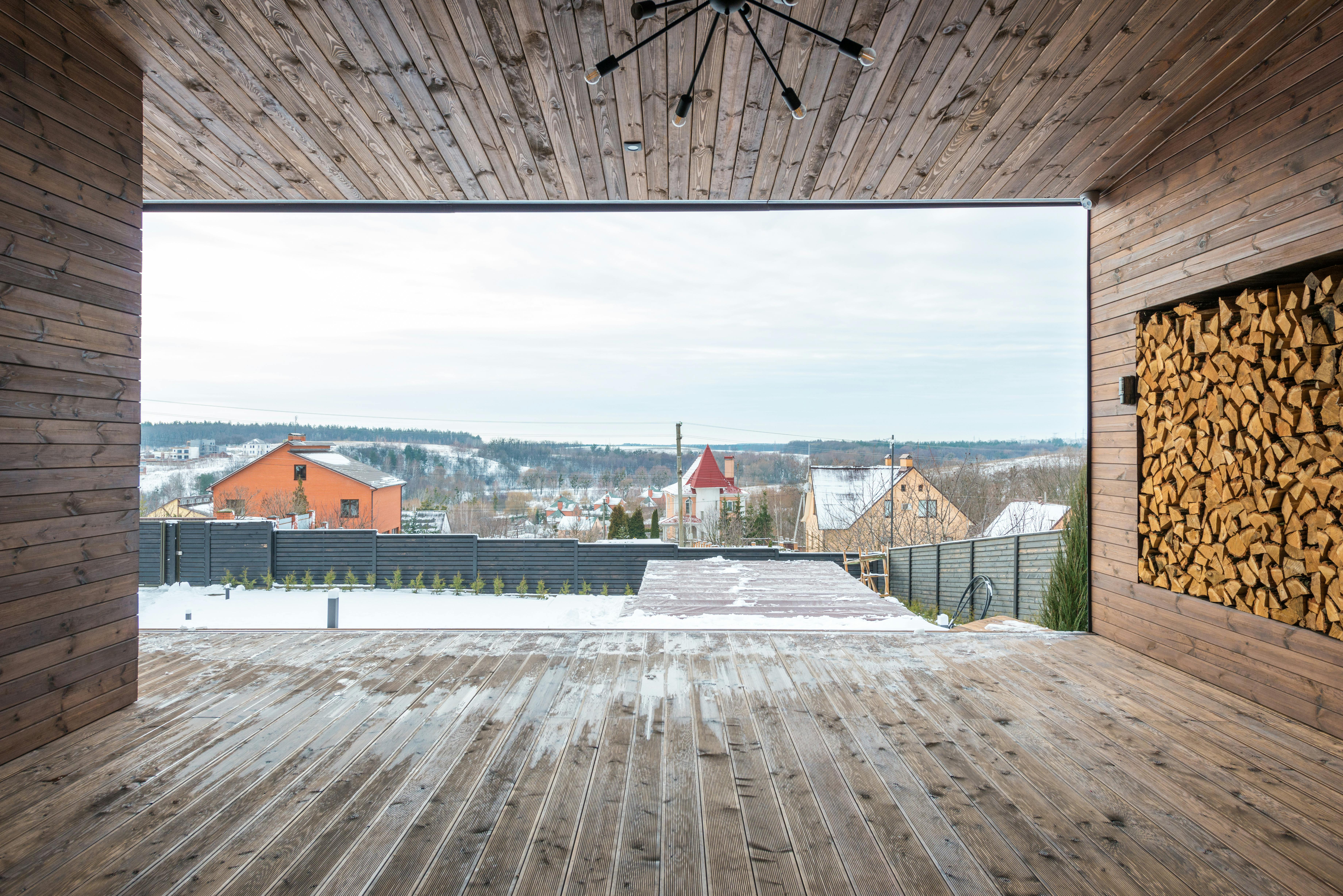
1. Neglecting a Thorough Deck Inspection
Skipping the annual inspection might feel like a time-saver now, but Saskatchewan’s brutal freeze-thaw cycles exploit every hidden weakness. As snow loads and ice push on every joint and board, even minor rot or loosening can lead to major failures.
- Start with every board: Check for cracks, softness, popping nails, or loose screws. Look for warning signs underneath—especially in high-moisture spots. Wet, spongy wood indicates rot, which risks collapse under heavy snow.
- Test railings and stairs: Wobbles or shifting steps get worse with ice build-up. Secure everything now so you’re not left with a safety hazard in February.
- Don’t ignore the details: Our customers often catch problems late—checking early not only saves money but protects family and guests. For trickier angles, a GH Leveller helps assess proper slope and drainage. We rent and sell these for brightened DIYers.
Looking for a more hands-on approach, but not ready for all-out DIY? We offer Assisted DIY Install so you can handle the visible parts, while experienced pros ensure your subframe meets code and is rock-solid.
2. Skipping a Deep Cleaning—Debris, Mold, and Winter Decay
Autumn winds dump leaves and pine needles onto Prairie decks, but leaving them until spring is a surefire way to let mold and rot take hold. Trapped organics and fall moisture slowly eat away at both wood and composite in the months when you can’t see the damage building up.
- Sweep up everything—right down to the gaps between boards. A stiff outdoor broom does most of the work, but finish up with a shop vac or narrow tool if debris is stuck tight.
- Clean with care: A solution of water, oxygen bleach, and mild dish soap helps kill mold while staying gentle on your deck surface. Always rinse well.
- Remove planters, mats, and furniture: Anything left out over winter traps wetness and can cause deep stains or rot under hidden corners. Even composite decks aren’t immune to mildew growing beneath hidden coverings.
We break down a full cleaning system in our Seasonal Deck Maintenance in Regina & Saskatoon guide, sharing Saskatchewan-tested cleaning routines for both wood and composite decks.

3. Ignoring Repairs Until Spring (When It’s Too Late)
One loose board or hidden rot patch in October can become a major (and expensive) structural issue by April. Water expands as it freezes—small gaps widen, fasteners pop up, and any softness signals a chain reaction of rot.
- Replace or secure loose boards and fasteners: Don’t wait until you see snow in the forecast—those wobbly surfaces become liabilities in icy weather.
- Check for drainage issues: Pooling water is a top cause of surface rot. If water lingers or boards look warped, reset them for slope or call us for expert advice.
- Inspect understructure (joists, beams, posts): Prairie decks older than a decade deserve a closer look, as substructure rot often sneaks up on unsuspecting owners.
If you’re unsure whether minor fixes are enough, that’s what we’re here for—smart advice now saves huge headaches (and costs) when the snow thaws.
4. Failing to Protect the Surface: Wrong or Skipped Sealant
Not all decks need the same protection: Wood needs periodic sealing, while composite decks are lower-maintenance but still demand cleaning. Using the wrong product or skipping this step completely can undo years of careful care.
- Wood decks: Choose a penetrative, water-repellent oil or stain built for harsh Prairie conditions. We recommend Cutek Extreme wood oil, a favorite with our customers for its longevity and easy reapplication—especially when snow and sunshine fight it out over Saskatchewan winters.
- Composite decks: No sealants required, but never apply wood-specific finishes to composite surfaces. Cleaners made for composite protect color and keep boards from getting slippery or stained.
- Correct compatibility: If your deck had another product applied previously, check before recoating—mixing oils and latex can cause peeling disasters in the spring. In any doubt, sand first to ensure proper bonding of the new product.
For detailed seasonal treatment techniques, view our seasonal wood treatment guide.
5. Over-Shoveling and Using the Wrong Tools
It might feel heroic to shovel your deck clear after every snowfall, but not all snow removal is good snow removal. Over-zealous effort with the wrong shovel damages boards and finishes—something we see too often in repairs each spring.
- Use a plastic shovel or stiff broom: Metal blades gouge wood and composite surfaces, leaving splinters and exposed areas for water to creep in. Plastic is far safer for both deck types.
- Shovel only as needed for safety or excessive weight: Unless you expect very heavy snow (tall drifts, especially on older decks), clearing a safe path is all that’s required. Repeated scrapes are far more damaging than a coating of powder.
- Don’t use salt or chemical ice melt: Regular salt or harsh melts can stain and eat away at wood, composite, and are dangerous for pets. Use de-icer only certified as safe for decks, if absolutely necessary.
Still unsure whether a full spring renovation is looming? Decks finished and maintained with the right products through proper winter prep (composite decking especially) routinely last 25–30 years here—much longer than decks that go unprotected or over-shoveled season after season.

Bonus: Planning for Shade and Structure—Even in Winter
It’s a Prairie quirk: that low winter sun can be intense. Many Saskatchewan homeowners are surprised at how a pergola or shade structure with removable screens or retractable canopies still has value in the colder months. Not only do these structures add protection from wild snowdrifts and icy winds, but they frame your deck for year-round enjoyment—and can even help reduce shoveling by redirecting drifts.
If you’re planning a winter build or just prepping for the next season, see our guide on Pergola Trends for 2025 to learn more about these four-season structures.
Frequently Asked Questions
How do I know if a deck needs repair or full replacement?
Look for extensive rot, soft spots, failing fasteners, or visible sagging—if you spot more than one of these, a full evaluation by a trained pro is wise. Older decks, especially over 10–15 years old that haven’t been updated, are at the most risk. We can help with honest, practical advice, or you can submit details directly for a quick review by our staff.
Should I use a cover or tarp for my deck in winter?
If your deck is recently refinished or freshly stained, a fabric breathable cover helps protect against heavy snow and ice crust. Never use heavy plastic tarps as a cover—these trap moisture and actually accelerate rot and mold formation underneath.
DIY or pro help: which is best for winter prep?
Routine inspection, cleaning, and treatment is manageable for most DIYers (especially with the right cleaning agents and tools). Major repairs, structural fixes, and underdeck work are best left to the pros, especially when you want to ensure warranties and building codes are met. Our team walks you through the options—grab tools from our rental program or go for an Assisted DIY Install for hybrid savings and peace of mind.
Get the Most from Your Deck—Even in Saskatchewan Winters
A deck in Saskatchewan can be a year-round asset (yes, even for winter barbecues). The right fall prep saves money, avoids big spring repairs, and keeps your outdoor space safe. Our team at The Ultimate Deck Shop is always ready to help—whether you need tools and tips for cleaning, the best finishes for Prairie climates, or design ideas to get ahead of snow and sun.
If you’re ready to extend your season, protect your deck investment, or explore adding a pergola or shade structure, start with a visit to our Regina or Saskatoon stores, browse our resources online, or reach out to a deck specialist. We’re here to help your deck handle whatever a Saskatchewan winter can throw at it.